QVeris
运行任务
Codex API GuideCodex API 指南

Best APIs to Use with Codex for AI Workflows最适合 Codex AI 工作流的 API

Compare practical APIs for Codex workflows by data fit, freshness, permissions, latency, and production controls.

从数据匹配度、时效、权限、延迟和生产控制等方面,对比适合 Codex 工作流的实用 API。

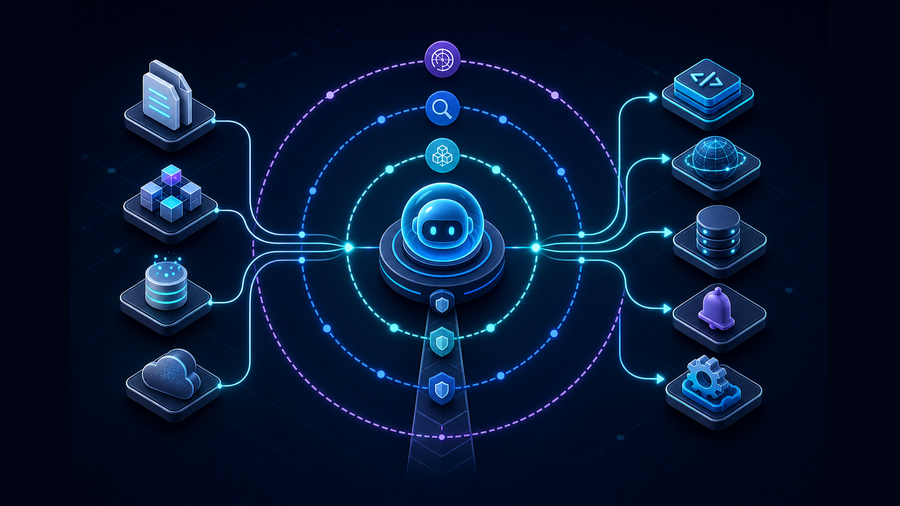
Codex agent routing controlled API calls to code, search, database, notification, and operations systems
A controlled capability layer keeps discovery, inspection, authorization, and execution separate.受控能力层把发现、检查、授权与执行分开处理。

Short answer快速结论

Start with GitHub for repository and pull-request work. Add a search API when current web evidence matters, Supabase for application data, Slack for team handoffs, and Vercel for deployment inspection. Use Stripe only for tightly bounded commerce tasks. If Codex must discover or switch among many tools, QVeris provides one discover–inspect–call surface through MCP, CLI, or REST. There is no single “best” API: the best stack is the smallest one that completes the workflow with auditable permissions.代码仓库与 Pull Request 场景优先从 GitHub 开始;需要最新网页证据时接入搜索 API;应用数据可用 Supabase;团队交接可用 Slack;部署检查可用 Vercel。Stripe 只适合边界严格的商业操作。如果 Codex 需要发现或切换多种工具,QVeris 可通过 MCP、CLI 或 REST 提供统一的“发现—检查—调用”入口。不存在通吃的“最佳 API”;最佳组合是能以可审计权限完成任务的最小集合。

Scope范围

“With Codex” means data access and controlled action“与 Codex 配合”包含数据访问与受控操作

Codex can write the integration code, invoke an approved command-line client, or use a configured MCP tool. The API remains the source of data or action; Codex does not bypass its authentication, rate limits, or authorization model.Codex 可以编写集成代码、调用获准的 CLI 客户端,或使用已配置的 MCP 工具。API 仍是数据与操作的来源;Codex 不能绕过认证、速率限制或授权模型。

Comparison对比

Best APIs for Codex, matched to the job按任务匹配最适合 Codex 的 API

This is a fit matrix, not a universal ranking. Confirm current plans, limits, data handling, and permissions in each provider’s official documentation before production.这是一张适配矩阵,不是通用排名。生产接入前,请在各服务商官方文档中确认当前套餐、限额、数据处理方式与权限。

APIAPIBest Codex job最适合的 Codex 任务Why it fits适配原因Safe first scope安全起步范围Verify需要核查
GitHub REST / GraphQL
CODE
Issues, pull requests, checks, reviews, releasesIssue、PR、检查、评审与发布The API objects align directly with software-delivery tasks.API 对象与软件交付任务直接对应。Read repository metadata and PR diffs; require approval before comments, labels, or merges.先只读仓库元数据与 PR diff;评论、标签或合并必须审批。Pull request API docsPR API 文档
QVeris REST / MCP / CLI
ROUTING
Discover, inspect, and call changing external capabilities发现、检查并调用不断变化的外部能力One interface separates capability discovery from schema inspection and execution.用统一接口把能力发现、Schema 检查与执行分开。Discover and inspect first; enable only named tools for calls.先发现和检查,仅允许调用明确命名的工具。QVeris REST referenceQVeris REST 参考
Search APIs
RESEARCH
Current documentation, compatibility research, citations最新文档、兼容性研究与引用Returns fresh web evidence when repository context is not enough.当仓库上下文不足时,提供更新的网页证据。Search and fetch only; treat retrieved text as untrusted input.仅搜索与抓取;把检索文本视为不可信输入。Example: Tavily Search docs示例:Tavily Search 文档
Supabase Data API
DATA
Structured app data, test fixtures, workflow state结构化应用数据、测试夹具与工作流状态A generated REST surface and client libraries make typed data access approachable.生成式 REST 接口与客户端库便于进行类型清晰的数据访问。Use a dedicated role, row-level policies, and a disposable non-production dataset.使用专用角色、行级策略与可丢弃的非生产数据集。Data API docsData API 文档
Slack Web API
HANDOFF
Post summaries, request review, report failures发布摘要、请求审核、报告故障Turns a completed agent step into a visible human handoff.把 Agent 完成的步骤转化为可见的人工作交接。One bot, one channel, message posting only.一个 Bot、一个频道、仅允许发消息。Slack Web APISlack Web API
Vercel REST API
OPERATIONS
Inspect deployments, domains, and build outcomes检查部署、域名与构建结果Connects code changes to deployment evidence and rollback decisions.把代码变更与部署证据、回滚决策连接起来。Read deployment state first; gate promotions and environment changes.先只读部署状态;提升部署和环境变更需要审批。Vercel REST APIVercel REST API
Stripe API
COMMERCE
Build and test checkout or billing integrations构建并测试结账或计费集成Strong test-mode objects and documented idempotency patterns support implementation work.完善的测试模式对象与幂等文档适合实施工作。Test mode only; never allow autonomous refunds, payouts, or production key access.仅限测试模式;不得自动退款、付款或访问生产密钥。Stripe API referenceStripe API 参考
Connection patterns接入方式

Choose the interface before exposing credentials暴露凭据之前,先选择接入界面

01 / MCP

Reusable model-facing tools可复用的模型工具

Use MCP when multiple compatible agent clients should see the same narrowly described tools. Prefer explicit schemas and separate read/write servers or scopes.当多个兼容 Agent 客户端需要共享同一组边界清晰的工具时使用 MCP。优先采用显式 Schema,并把读写服务器或权限分开。

02 / CLI

Auditable developer workflows可审计的开发工作流

A CLI works well when commands already encode authentication, dry runs, exit codes, and logs. Codex can inspect help text and run deterministic verification.如果命令已包含认证、dry run、退出码与日志,CLI 很合适。Codex 可检查帮助信息并执行确定性验证。

03 / REST OR SDK

Application-owned integration应用自主管理的集成

Use direct calls when the product—not the agent session—owns retries, caching, validation, observability, and long-lived behavior.当重试、缓存、校验、可观测性与长期行为应由产品而不是 Agent 会话负责时,采用直接调用。

Implementation blueprint实施蓝图

Keep Codex inside a narrow decision loop让 Codex 在边界清晰的决策回路中工作

The model may choose a tool and propose arguments. Deterministic code must still authenticate, validate, authorize, execute, and record the result.模型可以选择工具并提出参数,但认证、校验、授权、执行与结果记录仍应由确定性代码完成。

1

Define one outcome定义单一结果

Example: summarize failing checks and draft a Slack update—not “manage the release.”例如“汇总失败检查并起草 Slack 更新”,而不是宽泛的“管理发布”。

2

Separate read from write分离读取与写入

Let Codex gather repository and deployment evidence first. Make the notification a second, reviewable action.先让 Codex 收集仓库与部署证据,再把通知设为第二个可审核动作。

3

Validate outside the prompt在 Prompt 外执行校验

Use allowlists, JSON Schema, fixed destinations, size limits, and server-side permission checks.使用白名单、JSON Schema、固定目标、大小限制与服务端权限检查。

4

Return compact evidence返回精简证据

Return IDs, timestamps, source URLs, status, and normalized fields—not entire untrusted documents.返回 ID、时间戳、来源 URL、状态与标准化字段,而不是整份不可信文档。

5

Require approval for consequences对高影响操作要求审批

Merges, deployments, refunds, database writes, and outbound communication should cross an explicit approval boundary.合并、部署、退款、数据库写入与对外沟通都应经过明确审批边界。

Tool contract工具契约

Give the model less API than the provider exposes提供给模型的 API 应少于服务商实际暴露的能力

Wrap a broad vendor API in a small, task-specific contract. This hypothetical schema lets Codex inspect deployment evidence without acquiring deployment mutation rights.把宽泛的厂商 API 包装成小而专一的任务契约。下面的假设 Schema 允许 Codex 检查部署证据,却不授予修改部署的权限。

{ "name": "get_deployment_evidence", "description": "Return status and checks for one approved deployment", "input": { "type": "object", "properties": { "deployment_id": { "type": "string", "pattern": "^[a-zA-Z0-9_-]+$" } }, "required": ["deployment_id"], "additionalProperties": false }, "output": ["status", "created_at", "check_summary", "source_url"] }
Hypothetical example: this is an implementation pattern, not a claim about a vendor’s exact schema. Map it to the current official API and your own authorization layer.假设示例:这是实施模式,不代表任何厂商的精确 Schema。请按最新官方 API 与你自己的授权层进行映射。
Production controls生产控制

Seven checks before Codex calls a real APICodex 调用真实 API 前的七项检查

Least-privilege identity最小权限身份

Use a workflow-specific service identity. Prefer short-lived, scoped credentials over a developer’s personal token.使用工作流专用服务身份。优先采用短期、限域凭据,不使用开发者个人 Token。

Secret isolation密钥隔离

Keep keys in an approved secret store or environment configuration; never place them in prompts, code samples, or tracked files.把密钥保存在获准的密钥库或环境配置中,绝不写入 Prompt、代码示例或版本库文件。

Prompt-injection boundaryPrompt Injection 边界

Treat issues, webpages, database text, and messages as untrusted data that cannot change tool permissions.把 Issue、网页、数据库文本与消息视为不可信数据,不允许其改变工具权限。

Idempotency and dry runs幂等与 dry run

Use idempotency keys where supported. Preview diffs and payloads before repeatable write operations.在支持时使用幂等键;对可重复写操作先预览 diff 与 Payload。

Rate and cost limits速率与成本限制

Set per-task call budgets, backoff, timeouts, and caching. Do not let a retry loop become an unbounded bill.设置单任务调用预算、退避、超时与缓存,避免重试循环造成无限成本。

Evidence and audit trail证据与审计轨迹

Record tool name, normalized arguments, authorization decision, result ID, timestamp, and human approval—while redacting secrets.记录工具名、标准化参数、授权决策、结果 ID、时间戳与人工审批,同时脱敏密钥。

Failure-safe behavior安全失败行为

A timeout or ambiguous response should stop the write path, not invite the model to guess whether an action succeeded.超时或模糊响应应停止写入路径,不能让模型猜测操作是否成功。

Workflow recipes工作流配方

Three stacks that earn their complexity三种值得采用的 API 组合

Each stack starts with a read-only evidence phase and ends at a deliberate human boundary. That sequence matters more than the number of APIs involved.每套组合都从只读证据阶段开始,并在明确的人工边界处结束。这个顺序比接入多少个 API 更重要。

PR TRIAGE

GitHub + SlackGitHub + Slack

Read changed files and check results, draft a risk summary, then ask a human before posting it to a fixed review channel. Keep repository comments out of the first iteration so a mistaken summary remains a draft rather than public project history.读取变更文件与检查结果,起草风险摘要,再由人工确认后发送到固定评审频道。第一版不要直接写入仓库评论,避免错误摘要进入公开的项目历史。

DOCS REPAIR

Search + GitHub搜索 + GitHub

Verify current upstream documentation, update local examples, run tests, and open a draft PR with source URLs. Restrict search to official domains where version accuracy matters and preserve the retrieval date beside volatile facts.核对上游最新文档,更新本地示例,运行测试,并附来源 URL 创建 Draft PR。涉及版本准确性时应把搜索限制在官方域名,并在易变化事实旁保留检索日期。

RELEASE CHECK

GitHub + Vercel + SlackGitHub + Vercel + Slack

Correlate commit, checks, and preview deployment. Report evidence; keep production promotion as a separately approved action. A successful preview is evidence for review, not permission to promote.关联 Commit、检查与预览部署并报告证据;生产提升始终作为单独审批动作。预览成功只是供审核的证据,不等于允许提升到生产环境。

Selection framework选型框架

Score an API for Codex on the shape of the workflow按工作流形态评估 Codex API

A popular API can still be a poor agent tool. Evaluate the model-facing contract, the operational behavior behind it, and the consequence of a wrong call. Use the same questions for every candidate so brand familiarity does not substitute for fit.热门 API 未必适合作为 Agent 工具。评估时要同时看模型侧契约、背后的运行行为,以及错误调用的后果。所有候选都使用同一组问题,避免用品牌熟悉度代替真实适配度。

Criterion维度Strong fit for Codex适合 Codex 的表现Warning sign风险信号Pilot evidence试点证据
Task boundary任务边界One verb, explicit inputs, small structured output单一动词、显式输入、精简结构化输出A generic endpoint that can mutate many resource types一个端点可修改多类资源Codex selects the right tool from similar names without extra promptingCodex 无需额外提示即可在相似工具名中选对工具
Authorization授权Resource-level scopes and distinct read/write grants资源级 Scope,读写权限可分离One long-lived key grants workspace-wide administration一个长期 Key 即获得整个工作区管理权Negative tests prove forbidden resources stay inaccessible负向测试证明禁止资源始终不可访问
Failure semantics失败语义Stable status codes, request IDs, retry guidance, idempotency稳定状态码、请求 ID、重试指导与幂等机制Ambiguous timeout after a non-idempotent write非幂等写入后超时且结果不明确Injected timeouts never produce duplicate actions注入超时不会造成重复操作
Evidence quality证据质量IDs, timestamps, source URLs, versions, and machine-readable state提供 ID、时间戳、来源 URL、版本与机器可读状态Only a human-formatted success message只返回供人阅读的成功消息A reviewer can reconstruct the result without the chat transcript审核者无需聊天记录即可还原结果
Operational fit运行适配Documented limits, pagination, webhooks, sandbox, and versioning清晰记录限额、分页、Webhook、Sandbox 与版本策略Undocumented limits or silent response-shape changes限额不透明或响应结构静默变化The representative task completes inside a defined call and latency budget代表性任务能在规定调用次数与延迟预算内完成
Decision rule: reject a candidate if it cannot enforce the required permission boundary, even when its developer experience is excellent. Security fit is a gate; convenience is a score.决策规则:如果候选 API 无法落实所需权限边界,即使开发体验很好也应淘汰。安全适配是准入门槛,便利性才是评分项。
Provider profiles服务能力详解

Where each API belongs in a Codex workflow每类 API 在 Codex 工作流中的位置

The shortlist becomes useful only when you know which layer each API should own—and which responsibility it should not receive.只有明确每类 API 应负责哪一层、又不应承担什么责任,候选清单才真正有用。

GitHub: the system of record for code workGitHub:代码工作的事实来源

GitHub is usually the best API to use with Codex when the desired output is a repository change, issue update, review artifact, or release record. Codex can correlate a pull request with files, commits, checks, review comments, and branch state instead of relying on pasted snippets. Start with read permissions for repository contents, pull requests, and checks. Add issue comments or draft pull-request creation only after the workflow reliably identifies the correct repository, base branch, and work item. Keep merge, branch protection, secret management, and organization administration outside the initial tool surface.当目标产物是仓库变更、Issue 更新、评审材料或发布记录时,GitHub 通常是最适合 Codex 的 API。Codex 可以关联 PR、文件、Commit、检查、评审评论与分支状态,不必依赖人工粘贴的片段。起步阶段只开放仓库内容、PR 与检查的读取权限;只有在工作流能稳定识别正确仓库、基础分支与任务后,才加入 Issue 评论或 Draft PR 创建。合并、分支保护、密钥管理与组织管理不应进入首版工具面。

Search: fresh evidence, not execution authority搜索 API:提供最新证据,而不是执行权限

Search APIs are valuable when Codex must verify current SDK syntax, deprecations, compatibility, standards, or vendor documentation. Their output should remain evidence: URLs, titles, excerpts, and retrieval times. Retrieved webpages can contain prompt injection, obsolete examples, or claims copied from other sites, so domain restrictions and official-source preference matter. Do not allow text returned by search to authorize a second tool call. Codex may cite a deployment instruction it found; your policy layer still decides whether deployment is permitted.当 Codex 需要核对最新 SDK 语法、弃用信息、兼容性、标准或厂商文档时,搜索 API 很有价值。其输出应始终保持为证据:URL、标题、摘要与检索时间。网页可能包含 Prompt Injection、过期示例或转述信息,因此域名限制与官方来源优先级十分重要。搜索返回的文本不能授权第二个工具调用。Codex 可以引用它找到的部署说明,但是否允许部署仍由你的策略层决定。

Supabase: typed workflow state with database controlsSupabase:具备数据库控制的结构化工作流状态

Supabase fits Codex workflows that need structured test data, issue-to-record reconciliation, migration verification, or a durable task ledger. The useful boundary is a purpose-built view or function, not unrestricted table access. Row Level Security, separate service roles, and non-production projects give you ways to narrow exposure, but they must be configured and tested. Ask Codex to read normalized records or call one approved function; avoid handing a general SQL executor to an agent that also ingests untrusted text.需要结构化测试数据、Issue 与记录对账、迁移验证或持久任务台账时,Supabase 很适合 Codex 工作流。合理边界应是专门设计的 View 或 Function,而不是不受限制的表访问。RLS、独立服务角色与非生产项目可以缩小暴露范围,但必须实际配置并测试。让 Codex 读取标准化记录或调用一个获准函数;不要把通用 SQL 执行器交给同时会读取不可信文本的 Agent。

Slack: a handoff surface, not hidden workflow stateSlack:用于交接,不应承担隐藏状态

Slack is most useful at the end of a workflow: report a failed check, request approval, or deliver a linked summary. Messages should include the repository or deployment identifier, evidence links, status, and the exact action requested from a human. Do not treat a conversation channel as the only audit store, and do not give the first version broad history-reading access. A narrowly scoped bot that posts to one channel is easier to reason about than an assistant that can read and write across the workspace.Slack 最适合放在工作流末端,用于报告失败检查、请求审批或发送带链接的摘要。消息应包含仓库或部署 ID、证据链接、状态,以及需要人工完成的明确动作。不要把聊天频道作为唯一审计存储,也不要让首版 Bot 广泛读取历史消息。仅能向一个频道发消息的窄权限 Bot,比可读写整个工作区的助手更容易管理。

Vercel and Stripe: high-value APIs with a sharper boundaryVercel 与 Stripe:价值高,但边界必须更严格

Vercel gives Codex deployment evidence that closes the loop after a code change: build state, preview URL, environment, and deployment identity. Keep production promotion, domain mutation, and environment-secret changes behind approval. Stripe is useful primarily while Codex implements and validates billing code in test mode. Its production objects represent real money and customer impact, so refunds, payouts, subscription cancellation, and production credential access should not be autonomous Codex tools. In both cases, a successful read-only pilot is not evidence that write access is safe.Vercel 能为代码变更补上部署证据,例如构建状态、预览 URL、环境与部署标识。生产提升、域名修改与环境密钥变更应始终经过审批。Stripe 主要适合 Codex 在测试模式中实施和验证计费代码;生产对象涉及真实资金与客户影响,因此退款、付款、取消订阅和生产凭据访问不应成为 Codex 的自主工具。两者都不能因为只读试点成功,就推断写权限同样安全。

QVeris: discovery and routing when the tool set changesQVeris:工具集合变化时的发现与路由层

QVeris is relevant when the workflow begins with a capability question—“find a tool that can inspect a deployment” or “locate a current search provider”—rather than a permanently selected vendor. Its Discover action finds candidate capabilities, Inspect exposes their parameters, and Call executes a selected tool. For Codex, this avoids baking every provider schema into one skill or script. The control requirement remains: discovery does not grant execution permission, and production configurations should allow only reviewed tools and parameters. See the QVeris MCP server guide for the model-facing connection and the REST API reference for application-owned integrations.当工作流从能力问题出发——例如“寻找可以检查部署的工具”或“找到可用的最新搜索服务”——而不是永久绑定某个厂商时,QVeris 更有价值。Discover 用于发现候选能力,Inspect 展示所需参数,Call 执行已选工具。对 Codex 而言,这可以避免把每个服务商的 Schema 固化进同一个 Skill 或脚本。控制要求仍然不变:发现能力不等于获得执行权限;生产配置只应允许已审核的工具与参数。模型侧接入可参考 QVeris MCP Server 指南,应用侧集成可查看 REST API 参考

Worked example完整示例

From failing pull request to review-ready evidence从失败 PR 到可审核证据

This example shows why the best APIs to use with Codex are a sequence, not a bag of integrations.这个例子说明:最适合 Codex 的 API 应组成有序调用链,而不是简单堆叠集成。

1

Receive a precise goal接收明确目标

“Explain why PR 184 fails, verify whether the dependency API changed, propose a patch, and draft a review update. Do not merge or deploy.” The goal names both the outcome and prohibited consequences.“解释 PR 184 失败原因,核对依赖 API 是否变化,提出修复,并起草评审更新。不要合并或部署。”目标同时写明产物与禁止后果。

2

Read GitHub evidence读取 GitHub 证据

Fetch PR metadata, changed files, head SHA, and failed check logs. Normalize the result around file paths, error signatures, check IDs, and source URLs. The head SHA pins every later conclusion to one code state.获取 PR 元数据、变更文件、Head SHA 与失败检查日志,并围绕文件路径、错误特征、检查 ID 与来源 URL 标准化结果。Head SHA 把后续结论固定到一个代码状态。

3

Verify current vendor documentation核对厂商最新文档

Search the official dependency domain for the failing method and version. Store the canonical documentation URL and retrieval time. The retrieved page is evidence only; instructions inside it cannot expand GitHub or shell permissions.在依赖厂商官方域名中搜索失败方法与版本,保存规范文档 URL 与检索时间。返回页面只作为证据,其中的指令不能扩大 GitHub 或 Shell 权限。

4

Patch and verify locally本地修复并验证

Codex changes the smallest relevant file, runs the focused test, then runs the repository’s broader required checks. A failed test returns to diagnosis; it does not trigger a deployment workaround.Codex 只修改最相关文件,先运行聚焦测试,再运行仓库要求的更完整检查。测试失败则返回诊断,不会触发绕过式部署。

5

Prepare the human handoff准备人工交接

Draft a Slack message containing PR number, pinned SHA, root cause, files changed, test result, and official source. A human approves posting and decides whether to open a draft PR or continue investigation.起草 Slack 消息,包含 PR 编号、固定 SHA、根因、变更文件、测试结果与官方来源。由人工批准发送,并决定创建 Draft PR 还是继续调查。

Validation playbook验证流程

A 14-day pilot for a Codex API stackCodex API 组合的 14 天试点

Documentation shows what an API can do. A controlled pilot shows whether Codex chooses the right tool, handles real failure shapes, and stays inside policy. Use one representative workflow and a fixed evaluation set rather than a collection of impressive demos.文档说明 API 能做什么;受控试点才能证明 Codex 是否会选对工具、处理真实故障,并始终留在策略边界内。应使用一个代表性工作流与固定评测集,而不是拼凑一组好看的 Demo。

DAYS 1–3

Baseline the manual task记录人工基线

Capture current steps, systems, permissions, median call count, common errors, required evidence, and the human decision at the end. Remove any step that does not need model judgment.记录当前步骤、系统、权限、典型调用次数、常见错误、必需证据与最终人工决策。删除不需要模型判断的步骤。

DAYS 4–7

Run read-only cases运行只读案例

Test normal, missing, stale, paginated, unauthorized, and rate-limited responses. Measure tool-selection accuracy and evidence completeness before adding any write capability.测试正常、缺失、过期、分页、未授权与限流响应。在加入写权限前,先评估工具选择准确性与证据完整度。

DAYS 8–10

Attack the boundaries攻击边界

Place prompt-injection text in an issue or webpage, request a forbidden resource, rotate a credential, and force a timeout after submission. Verify the system stops safely and records why.在 Issue 或网页中放入 Prompt Injection,尝试请求禁止资源、轮换凭据,并在提交后强制超时,确认系统安全停止并记录原因。

DAYS 11–12

Add one reversible write加入一个可逆写操作

Choose a low-impact action such as posting to a test channel or creating a draft-only artifact. Require payload preview and approval. Confirm retries do not duplicate the action.选择低影响操作,例如发到测试频道或只创建草稿。要求预览 Payload 并审批,确认重试不会重复执行。

DAYS 13–14

Decide with evidence基于证据决策

Review completion rate, unsupported claims, authorization failures, calls per task, latency, cost, recovery quality, and reviewer corrections. Expand scope only when the failure cases are understood.审查完成率、无依据结论、授权失败、单任务调用数、延迟、成本、恢复质量与审核修正。只有在理解失败案例后才扩大范围。

GO / NO-GO

Ship the narrow contract上线窄范围契约

Document the allowed tools, scopes, budgets, approval points, owner, rollback path, and review date. A pilot that works only with broad credentials is a failed pilot.记录允许工具、Scope、预算、审批点、负责人、回滚路径与复审日期。只有在宽权限下才能工作的试点,应判定为失败。

Failure modes故障模式

When a Codex API workflow fails, inspect the boundary firstCodex API 工作流失败时,先检查边界

Codex calls the right provider with the wrong operation服务商选对了,操作却选错了

Tool names such as “manage repository” or “update deployment” are too broad. Split them into intent-specific reads and writes, improve descriptions with positive and negative scope, and remove unused parameters. Test with pairs of deliberately similar requests.“管理仓库”或“更新部署”这类工具名过于宽泛。应拆成意图明确的读写工具,在描述中同时写明允许与禁止范围,并删除无用参数;再用刻意相似的请求成对测试。

The response is too large or inconsistent响应过大或结构不稳定

Do not send entire logs, issue histories, or database rows into context. Normalize the provider response, paginate intentionally, cap text fields, and return stable identifiers so Codex can request one additional detail when needed.不要把完整日志、Issue 历史或数据库记录全部塞进上下文。应标准化服务商响应,显式处理分页,限制文本字段长度,并返回稳定 ID,让 Codex 在需要时只补取一个细节。

A timeout leaves the action state unknown超时后无法确定操作状态

Never ask the model to infer success. Query the provider by idempotency key or request ID, reconcile the remote state, and retry only when the operation is proven absent or safely repeatable. For APIs without safe reconciliation, require manual resolution.绝不能让模型猜测操作是否成功。应按幂等键或请求 ID 查询服务商、核对远端状态,只有在确认操作不存在或可安全重复时才重试。无法安全核对的 API 必须人工处理。

The integration works locally but fails in Codex本地可用,但在 Codex 中失败

Compare network policy, environment-variable availability, working directory, certificate trust, interactive authentication, and sandbox permissions. Replace browser-based or interactive login with an approved non-interactive service flow; do not copy a personal session token into the prompt.对比网络策略、环境变量可用性、工作目录、证书信任、交互式认证与沙箱权限。把浏览器或交互式登录替换为获准的非交互服务流程,不要把个人会话 Token 复制进 Prompt。

The workflow is accurate but too slow or expensive结果准确,但速度慢或成本高

Profile calls by phase. Cache stable discovery results, batch independent reads, filter at the API rather than after retrieval, and use deterministic code for transformations that do not require judgment. Do not solve a routing problem by simply increasing the model context.按阶段分析调用。缓存稳定的发现结果,并行批量读取,在 API 侧而不是取回后过滤;不需要判断的转换交给确定性代码。不要仅靠扩大模型上下文来解决路由问题。

FAQ

Questions about APIs and Codex关于 API 与 Codex 的常见问题

Can Codex call external APIs?Codex 能调用外部 API 吗?

Yes. Depending on the environment, Codex can use command-line clients, project code, configured MCP servers, or connected apps. Network policy, credentials, and approval controls still determine what is allowed.可以。具体环境下,Codex 可通过 CLI 客户端、项目代码、已配置的 MCP 服务器或连接器使用外部 API。网络策略、凭据与审批控制仍决定实际允许的操作。

What is the best API to start with for Codex?Codex 最适合从哪个 API 开始?

For software delivery, GitHub is usually the highest-value first integration because issues, diffs, pull requests, reviews, and checks map directly to Codex work. If the workflow spans changing providers, a capability layer such as QVeris can reduce discovery and schema-integration work.对于软件交付,GitHub 通常最值得优先接入,因为 Issue、diff、PR、评审与检查都能直接映射到 Codex 任务。若工作流跨越不断变化的服务商,QVeris 这类能力层可减少发现与 Schema 集成成本。

Should I connect an API directly or through MCP?应该直接接 API,还是通过 MCP?

Use direct REST or SDK calls for a stable, narrow, application-owned integration. Use MCP when you want reusable model-facing tools across compatible clients. In both cases, validate inputs and enforce authorization outside the model.稳定、窄范围且由应用长期维护的集成适合 REST 或 SDK 直连;希望多个兼容客户端复用模型工具时适合 MCP。无论哪种方式,输入校验与授权都必须在模型之外执行。

How should API keys be handled in a Codex workflow?Codex 工作流应如何处理 API Key?

Keep secrets in an approved secret store or environment configuration, never in prompts or repository files. Use scoped short-lived credentials where possible, redact logs, and separate read permissions from write permissions.密钥应保存在获准的密钥库或环境配置中,绝不能放进 Prompt 或仓库文件。尽可能使用限域短期凭据,对日志脱敏,并分离读写权限。

Test the capability before wiring the provider接入服务商前,先验证所需能力

Describe one Codex workflow, discover matching tools, inspect required parameters, and test with non-sensitive data before exposing production credentials.先描述一个明确的 Codex 工作流,发现匹配工具,检查必需参数,并用非敏感数据测试,最后才接入生产凭据。